How I work
Integrative, person-centred, co-constructed with you
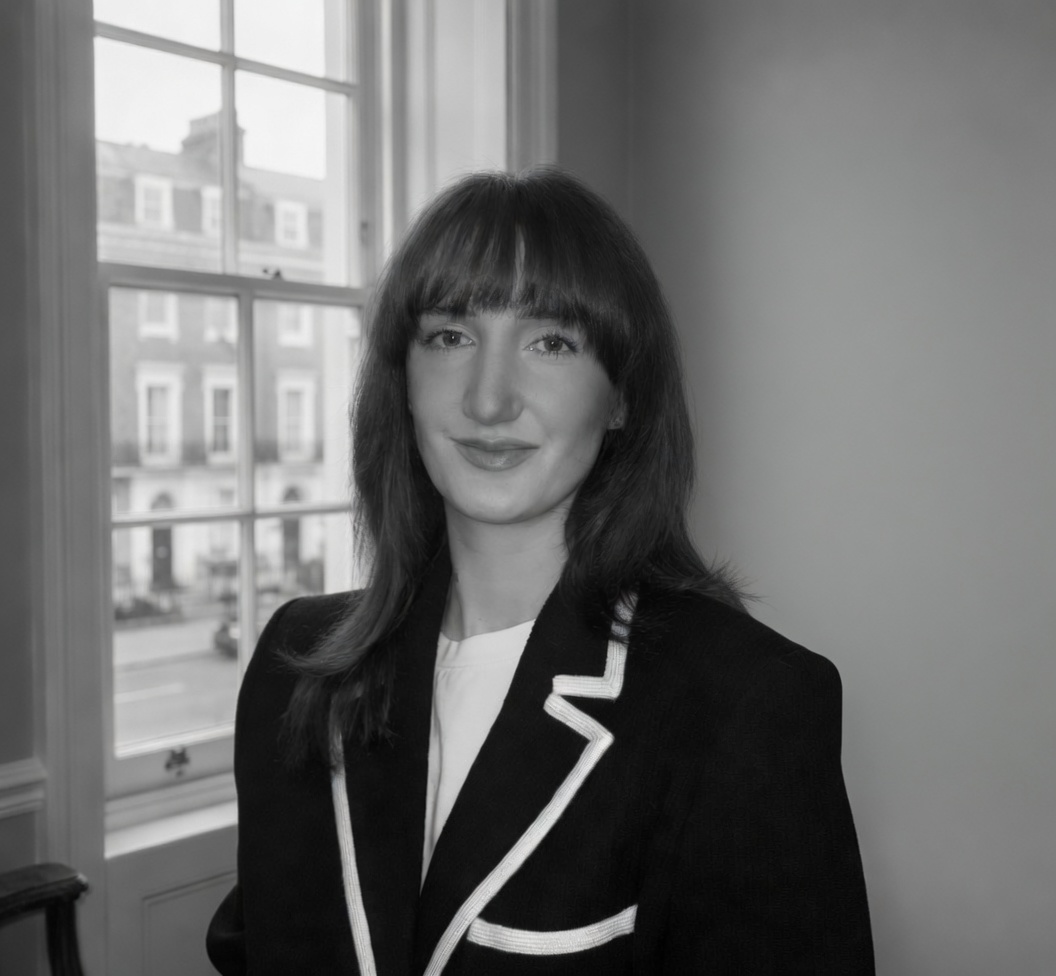

I am trained in psychoanalysis, existential therapy and CBT, and in psychosexual therapy. Rather than applying one method to everybody, I draw on existential philosophy, psychodynamic theory and evidence-based tools to meet you where you are and build the work with you.
What integrative means
Three traditions, one conversation
In practice, these three layers are not used separately, they blend into one conversation. We might reflect on a repeating pattern, sit with what it means to you, and then look at what you can do differently, all in the same session. If you have questions about how this could work for you, I am happy to talk it through on a call.
Existential philosophy
Thinking together about the bigger questions underneath a difficulty: meaning, choice, freedom, responsibility, mortality. In practice it means taking seriously what kind of life you want, rather than only fixing symptoms.
Read: what existential therapy isPsychodynamic theory
Paying attention to patterns, the ways of relating and protecting yourself that were learned early and still run quietly today. Understanding where a pattern came from is often what loosens its hold.
Evidence-based tools
Practical, well-researched techniques drawn mainly from CBT: working with unhelpful thought loops, grounding for anxiety and panic, and structured ways of approaching difficult decisions.
Principles
Six things that shape the work
We start wherever you are
You do not need a diagnosis, a tidy story, or the right words. Most people arrive able to say only that something is not right. That is a perfectly good place to begin.
The relationship is the work
Therapy works when the match is right: when you feel comfortable enough to be honest and trust can build between us. What you bring is held confidentially and without judgement — nothing you say here will be met with shock or blame.
Pace over progress
There is no schedule to keep to. Some weeks are full of talking; others are quiet and circling. Both are useful.
Present first, past where it helps
We start with what is pressing now and where you want to go from here. Sometimes understanding the origin of a pattern is essential, and we go there together, but spending session after session in the past is not always necessary, and I will not send us there by default.
From understanding to action
Once we have explored what is happening, we turn to what can actually be done: the practical steps, the decisions in front of you, the choices you have been putting off, and what changes in your week as a result.
Ending well
Therapy is voluntary at every point and you are always free to leave. When we do come to an end, the final stage matters: making sure we have covered what you came for, and that the progress you have made can be sustained without me.
The first session
What actually happens when you arrive
The first session is longer than the rest and deliberately unhurried. You tell me what brings you, in whatever order it comes out. I will ask about your history, your current life, and what you would like to be different.
Part of this first meeting is also about fit: whether I am the right therapist for the particular struggles you are bringing, and whether you feel comfortable enough to do this work with me.
Toward the end we talk practically about the structure that will suit you best. That might mean a fixed number of sessions with a clear focus, or open-ended work that we review as we go. We also agree on frequency, most people prefer weekly, but fortnightly is possible if that fits your life and budget better. I am aware that therapy is a real financial commitment, so the rhythm should feel sustainable for you. You then take as long as you need to decide whether to continue. There is no obligation, and no follow-up pressure.
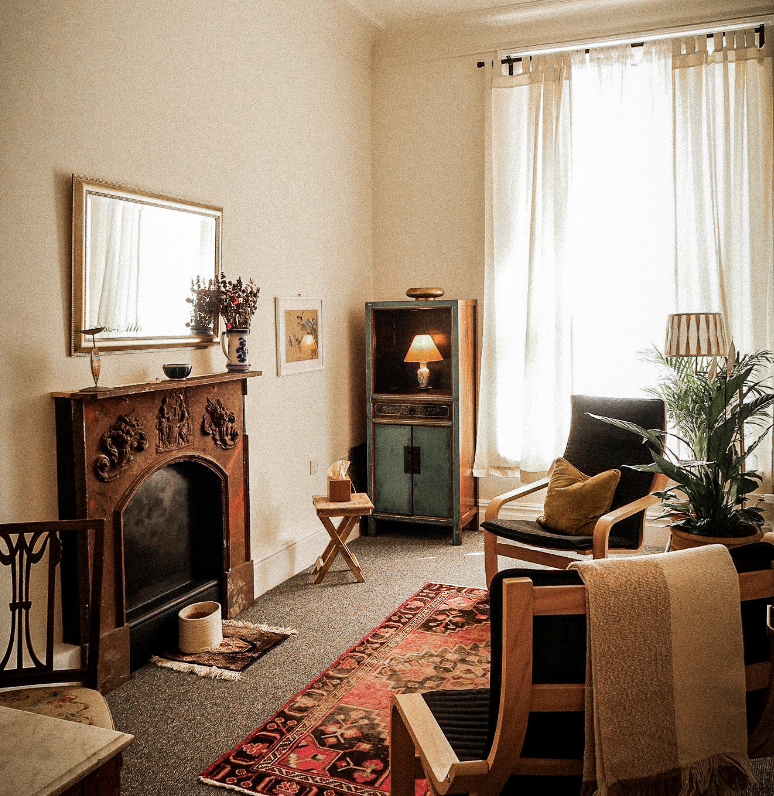
Room photo from The Practice Rooms